
Extension Cords vs. Direct Wiring for Commercial LED Grow Lights: A Comprehensive Comparison
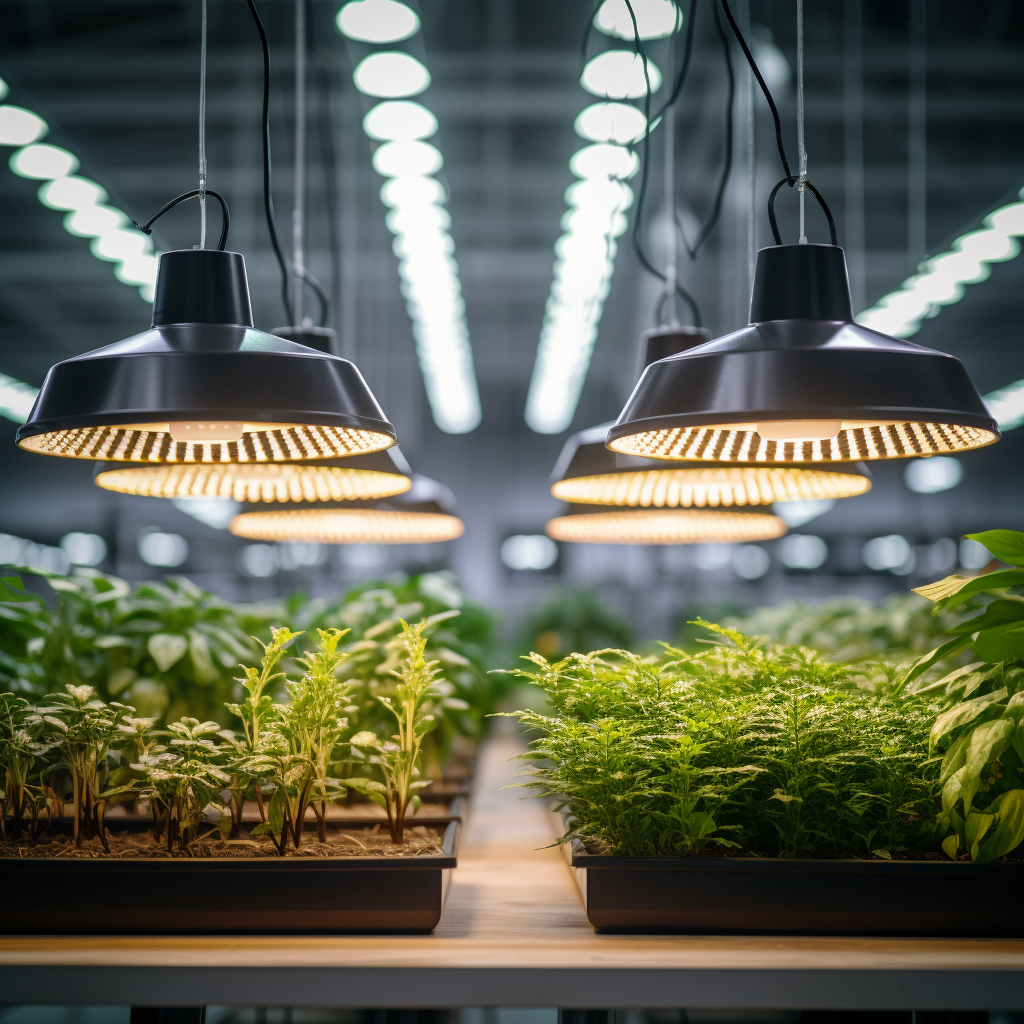
In the dynamic world of commercial indoor farming, choosing the right electrical setup for your LED grow lights is a decision that can significantly impact your operation’s efficiency, safety, and overall productivity. Two popular options are using extension cords or opting for direct wiring. Each method comes with its own set of advantages and considerations. In this blog post, we’ll delve into a detailed comparison between extension cords and direct wiring for commercial LED grow lights, helping you make an informed decision that best suits your farming needs.
Extension Cord Regulations and Standards in the LED Grow Light Industry
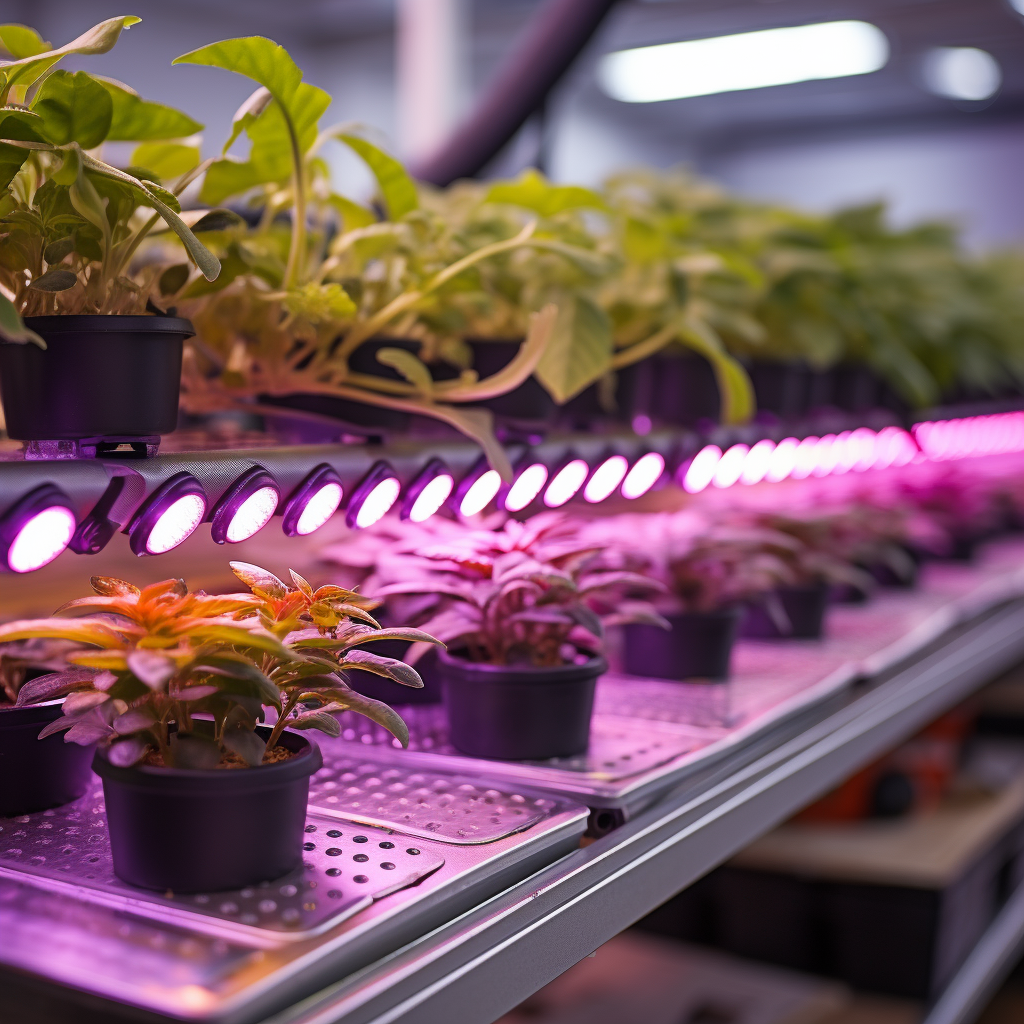
In the thriving world of indoor gardening, LED grow lights have become a staple for their efficiency and spectrum precision. However, the safety and effectiveness of these lights are not solely dependent on their technology but also on the quality of the extension cords providing them power. It’s crucial for indoor gardeners and commercial growers to understand the regulations and standards governing extension cords in the LED grow light industry. This blog post will shed light on the importance of adhering to these regulations and standards, ensuring your grow operation is not only fruitful but also safe and compliant.
Extension Cords and LED Grow Light Efficiency: Maximizing Output
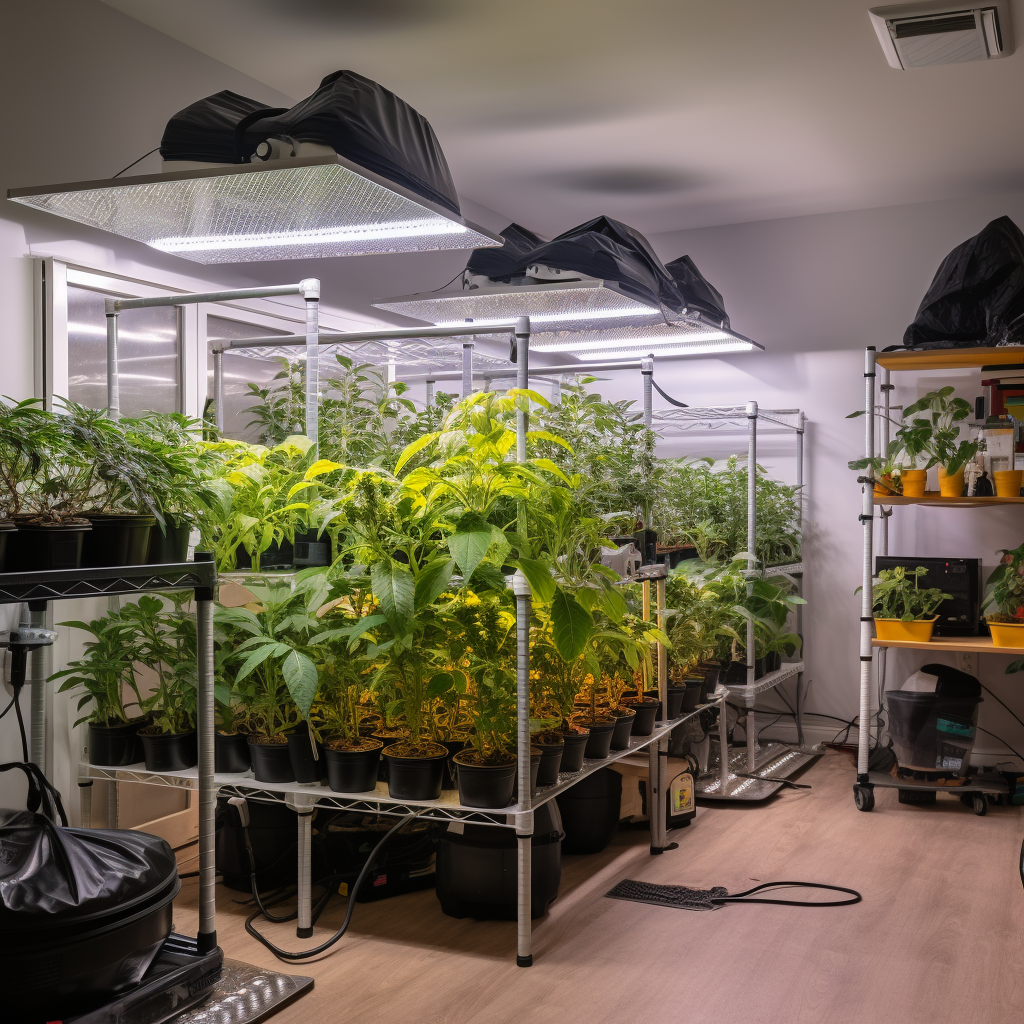
In the world of indoor gardening, every detail counts. From the pH of your water to the nutrients in your soil, precision is key. This principle extends, quite literally, to the extension cords that power your LED grow lights. While often considered just a necessary accessory, the right extension cord can play a pivotal role in maximizing the efficiency and output of your LED grow lights. This blog post explores how you can enhance the performance of your LED grow lights by making informed choices about the extension cords you use.
How to Deal with Voltage Drop in Long Extension Cords for Grow Lights

Voltage drop in long extension cords can be a significant concern for indoor gardeners using grow lights. It occurs when the electrical current faces resistance as it travels along the length of the cord, leading to a reduced voltage by the time it reaches the grow lights. This can result in your lights not performing optimally, potentially affecting the growth and health of your plants. Understanding and mitigating voltage drop is crucial for maintaining an efficient and productive indoor garden. This blog post will guide you through the causes of voltage drop and offer practical solutions to address this issue in your grow light setup.
Smart Extension Cords: Revolutionizing LED Grow Light Setups
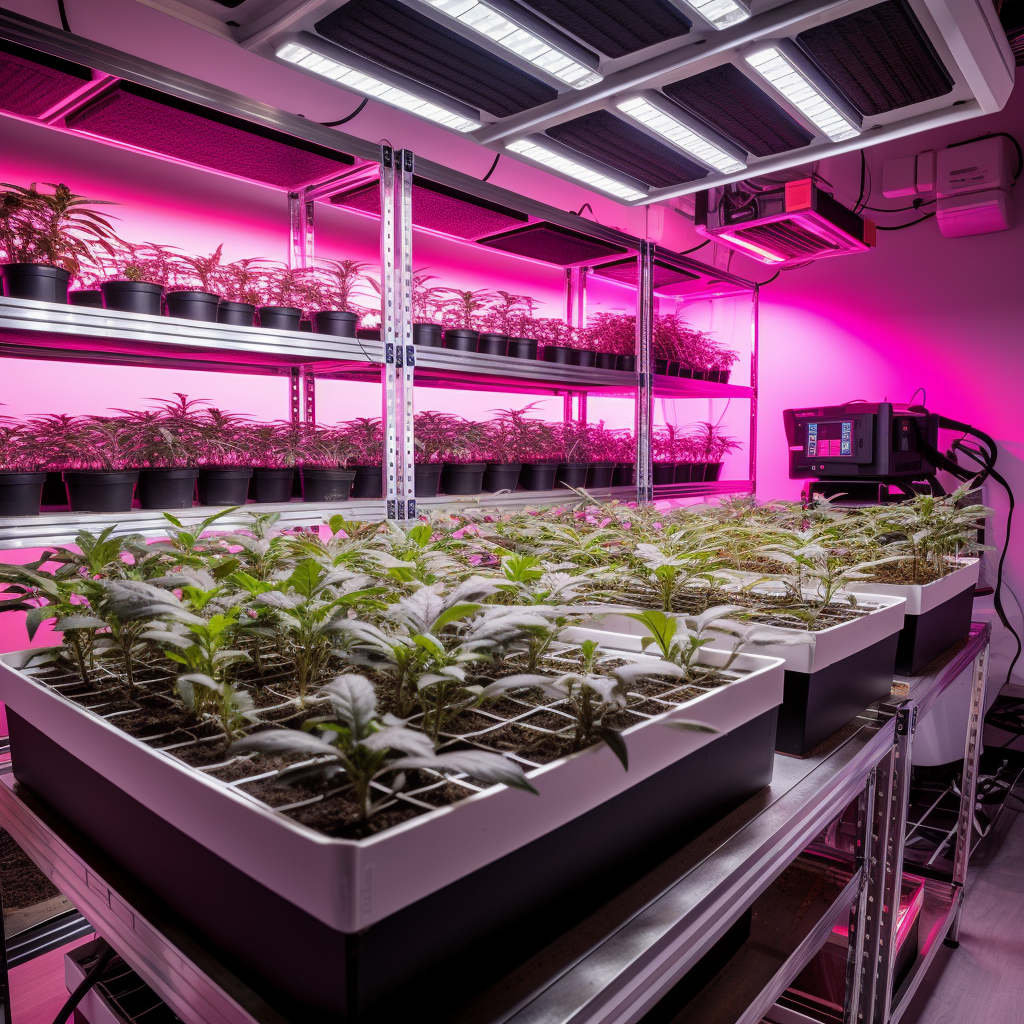
In the realm of indoor gardening, LED grow lights have marked a technological leap, offering energy efficiency, optimal light spectra, and longevity. However, the true potential of these advanced lighting systems can only be unlocked when paired with equally innovative accessories. Enter smart extension cords – a groundbreaking addition to LED grow light setups that are set to revolutionize the way indoor gardening is approached. This blog post explores how smart extension cords are transforming LED grow light setups, elevating the efficiency, safety, and convenience of indoor gardens to new heights.
Custom Extension Cord Solutions for Large Scale Grow Light Systems
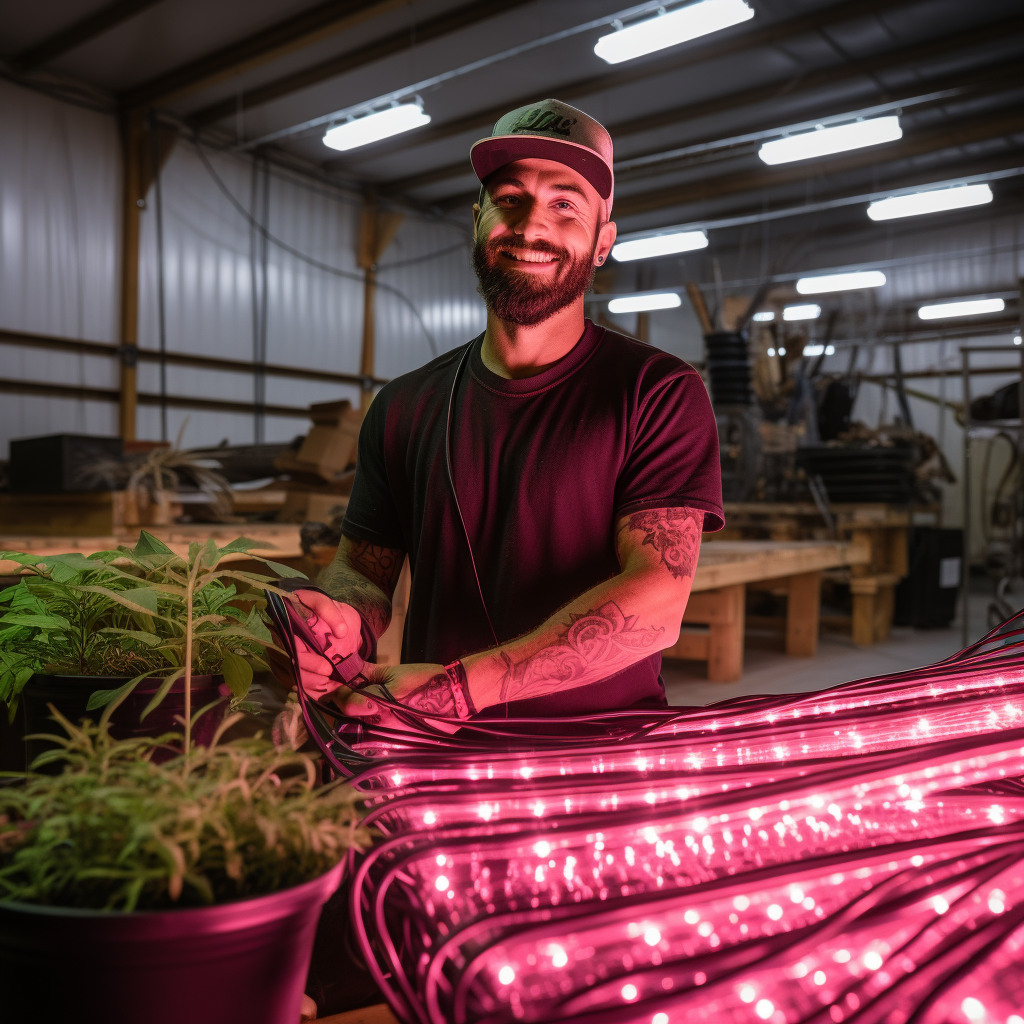
When scaling up your indoor gardening operations, the complexity of managing an efficient, safe, and effective grow light system increases significantly. Standard off-the-shelf extension cords might work for smaller setups, but large-scale systems require a more tailored approach. This is where custom extension cord solutions come into play, offering the perfect fit for your extensive and potentially intricate grow light configurations. Let’s explore the advantages of custom extension cord solutions for large-scale grow light systems and how they can elevate your indoor gardening projects to new heights.
Extension Cords and Grow Light Timers: A Perfect Match for Your Indoor Garden
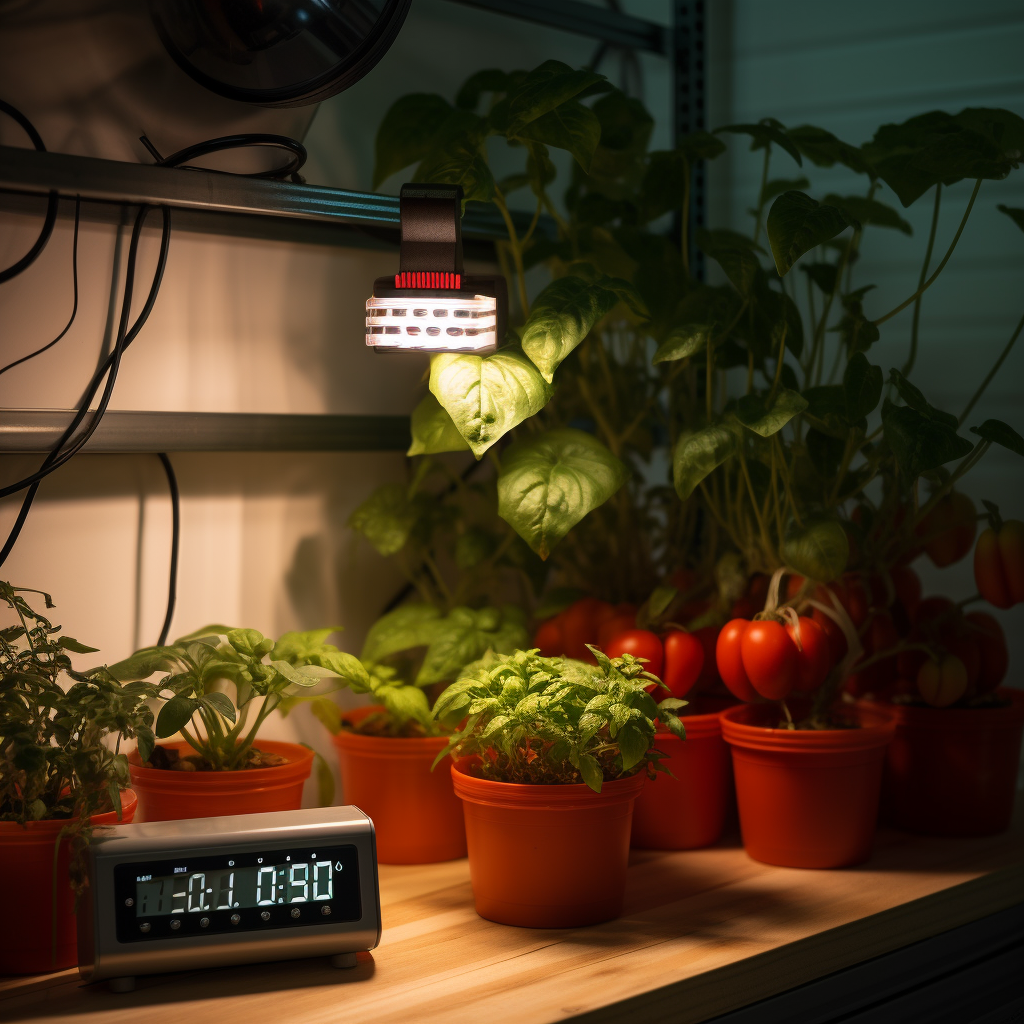
Creating an ideal environment for your indoor garden requires not just dedication but also the right equipment. Two often understated heroes in this scenario are extension cords and grow light timers. When used together, they form a powerful duo that can significantly enhance the efficiency, safety, and effectiveness of your grow light setup. Let’s explore how these tools can be perfectly matched to ensure your indoor garden thrives.
Why Quality Matters: Choosing Durable Extension Cords for Grow Lights
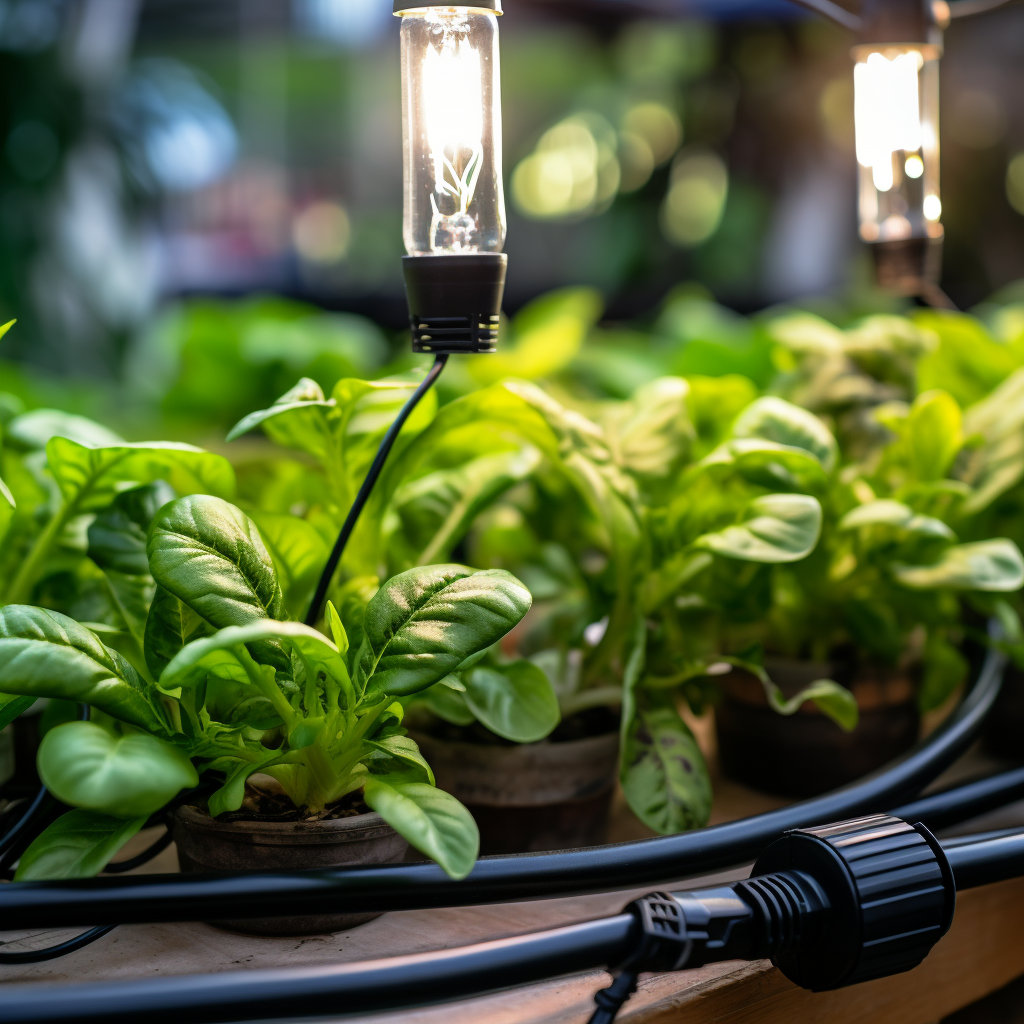
In the world of indoor gardening, precision and quality in every component can make a substantial difference in the growth and health of your plants. One often overlooked but crucial element is the extension cord that powers your grow lights. While it might seem like a simple accessory, the quality and durability of your extension cords are pivotal in maintaining a safe and efficient grow light setup. This blog post delves into the reasons why investing in high-quality, durable extension cords is essential for any indoor gardening enthusiast.
Beginner’s Guide to Extension Cord Gauges for LED Grow Lights
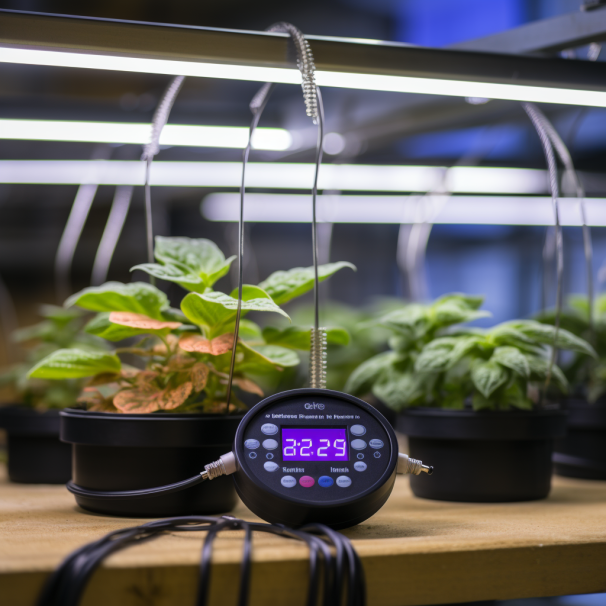
Indoor gardening has transformed with the advent of LED grow lights, offering a sustainable and efficient way to nurture plants. However, the effectiveness of these advanced lighting systems significantly depends on the proper selection and use of extension cords, particularly the cord gauge. This beginner’s guide will walk you through the basics of extension cord gauges, ensuring your LED grow lights operate at optimal efficiency, safety, and reliability.
Extension Cord Length: Finding the Perfect Fit for Your Grow Light Setup
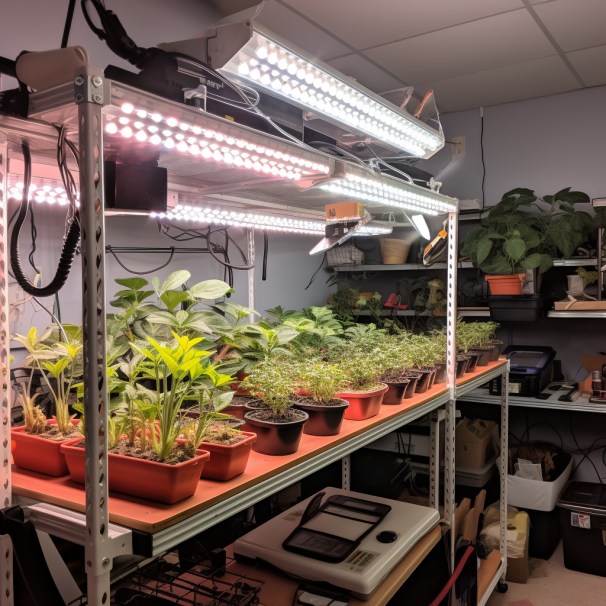
Setting up an indoor garden with LED grow lights involves more than just choosing the right bulbs and fixtures. One crucial aspect often overlooked is the length of the extension cord used to power these lights. The correct length of an extension cord is vital for both safety and efficiency. In this blog, we’ll explore how to find the perfect length for your grow light setup.